Tokenized Pokémon cards have revolutionized the world of collecting, making it easier than ever to trade, invest in, and redeem rare cards through blockchain technology. If you’ve ever wondered how to turn a Pokémon card NFT back into a tangible, physical collectible, you’re not alone. The process is surprisingly straightforward but requires attention to detail and an understanding of platform-specific steps. In this guide, I’ll walk you through each phase of redeeming tokenized Pokémon cards for their physical counterparts, ensuring your experience is smooth and secure.


Understanding Tokenized Pokémon Cards and Their Value
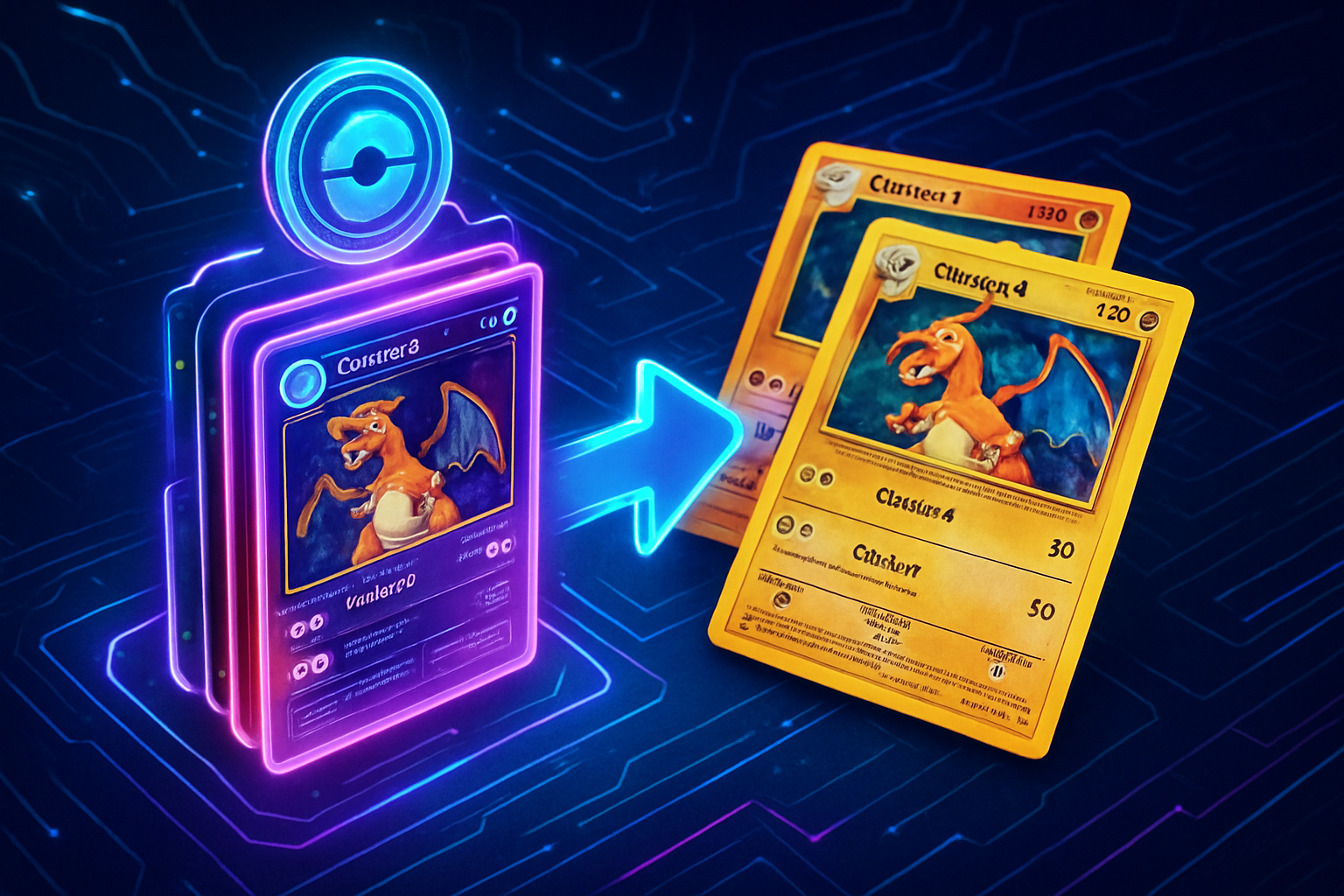
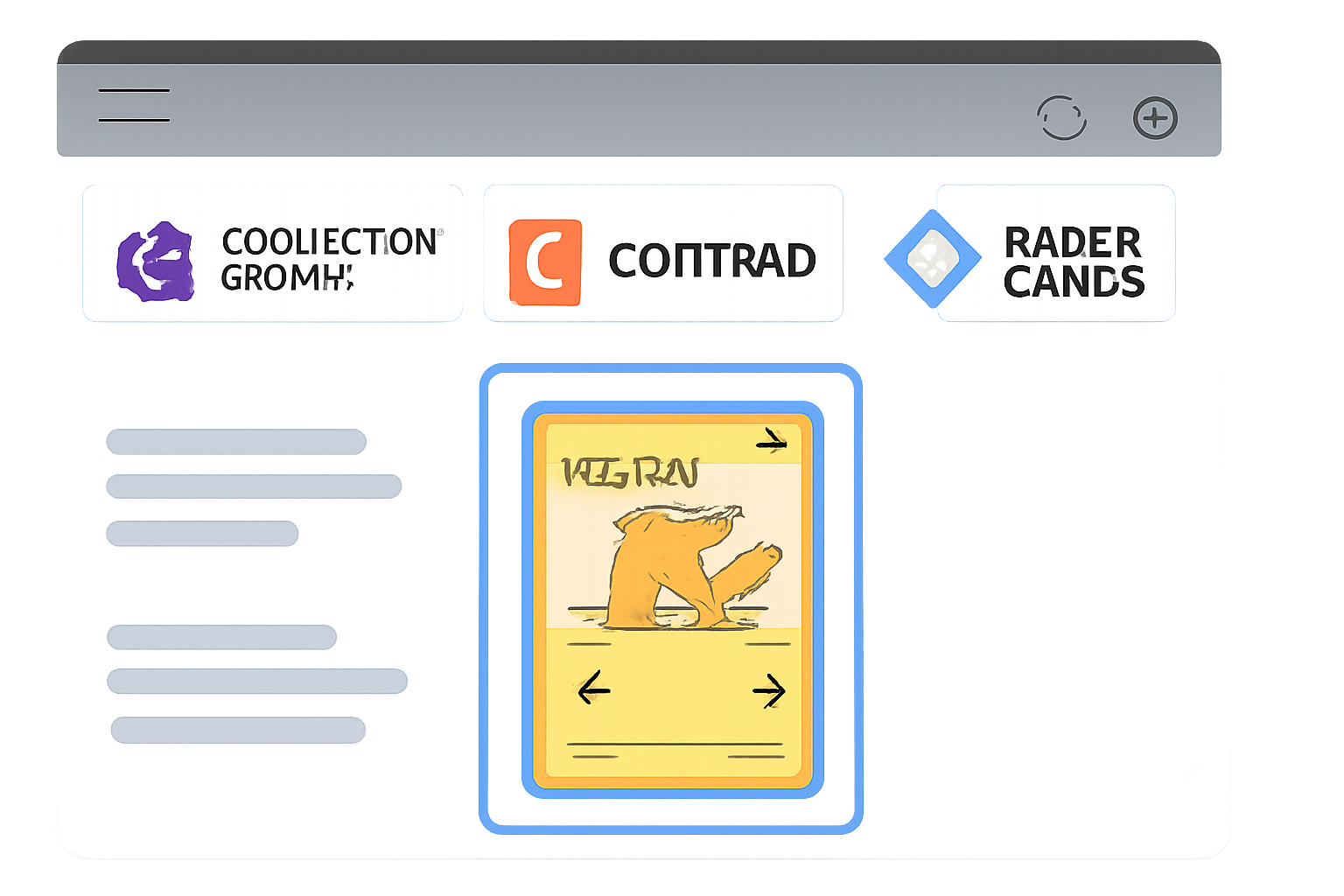
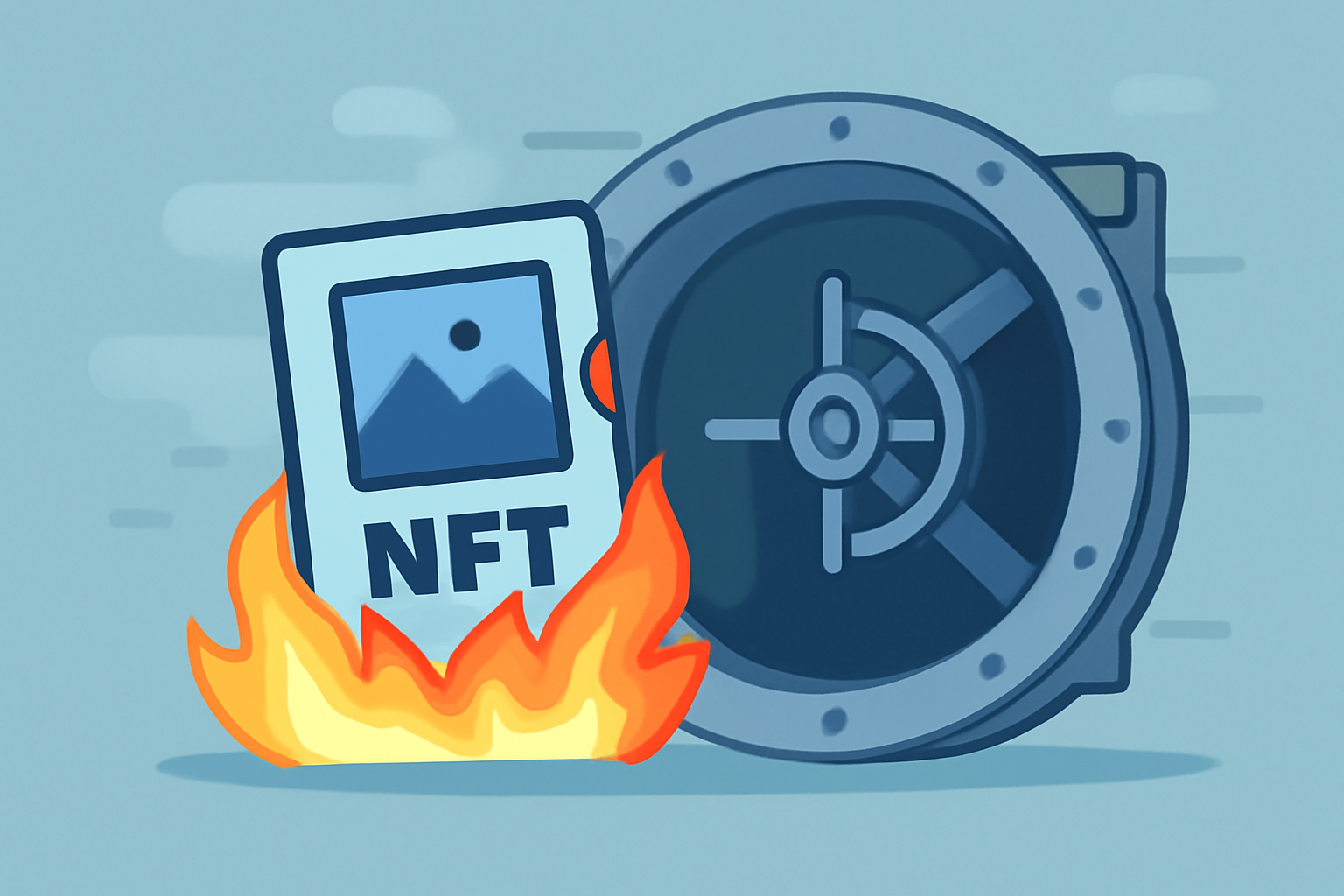
At its core, a tokenized Pokémon card is a digital representation of a real-world asset (RWA), securely stored in a vault and linked to an NFT on the blockchain. This NFT acts as proof of ownership and authenticity, letting collectors buy, sell, or trade these assets globally without moving the physical card until redemption. Platforms like Collector Crypt, Courtyard, and Based Cards are leading the way by offering robust tokenization services with transparent redemption processes.
The appeal? You can flex your collection online or liquidate assets instantly without worrying about shipping or counterfeits. But when you’re ready to hold that Charizard in your hands again or showcase it at a convention, redemption is key. Let’s break down how this works across major platforms.
Step-by-Step Guide: How to Redeem Tokenized Pokémon Cards
Redeem Your Tokenized Pokémon Cards for Physical Cards: A Step-by-Step Guide

1. Identify Your Platform
First things first: figure out which platform holds your NFT. Each marketplace has its own workflow for redemption:
- Collector Crypt: Operates on Solana; supports vault custody and easy NFT burning for redemption.
- Courtyard: Runs on Polygon; offers detailed tracking from vault to doorstep.
- Based Cards: Focuses on seamless purchase-to-redemption flow with wallet integration.
This step is crucial because each platform’s process may differ slightly, both in terms of fees and user interface.
Navigating the Redemption Process Safely
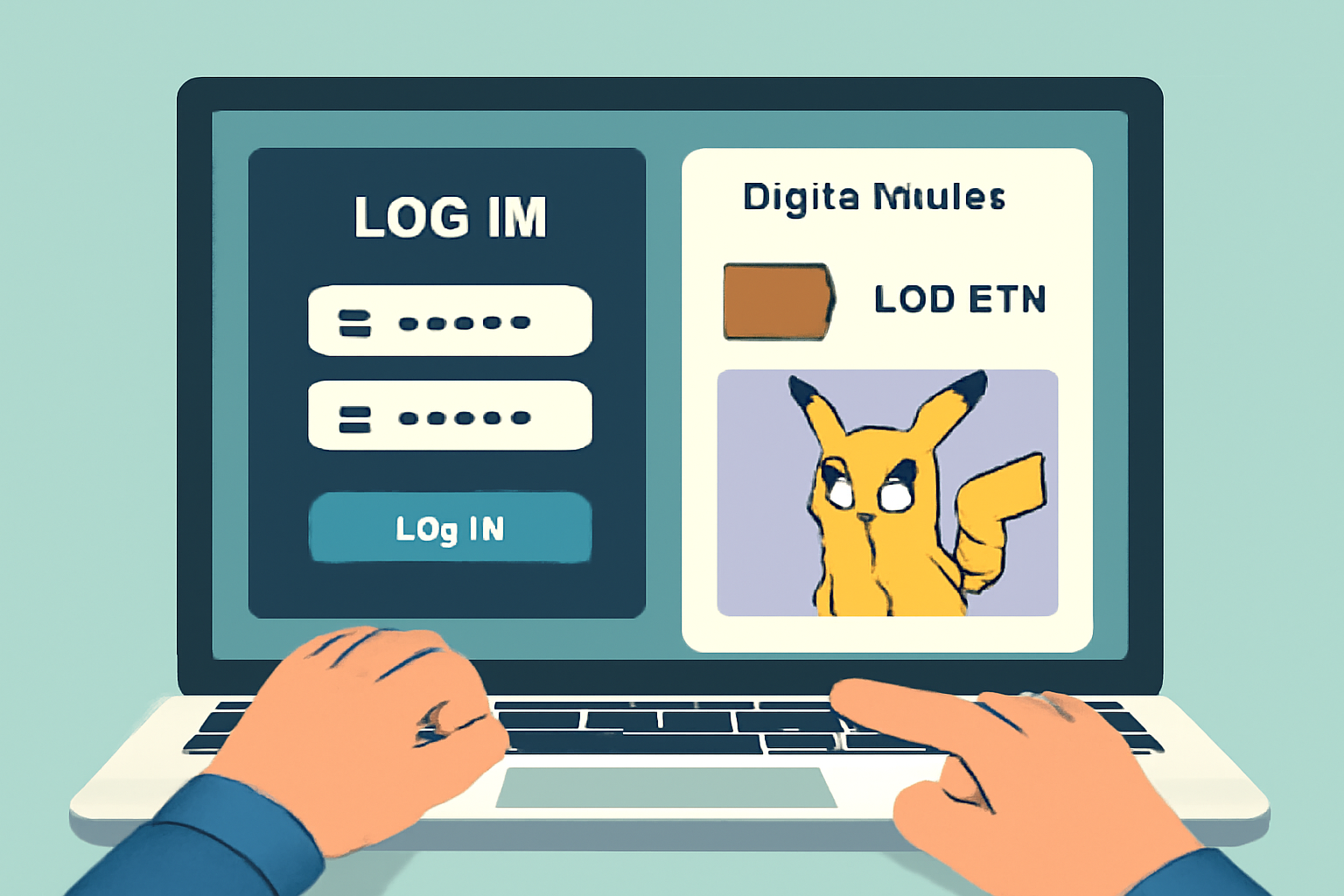
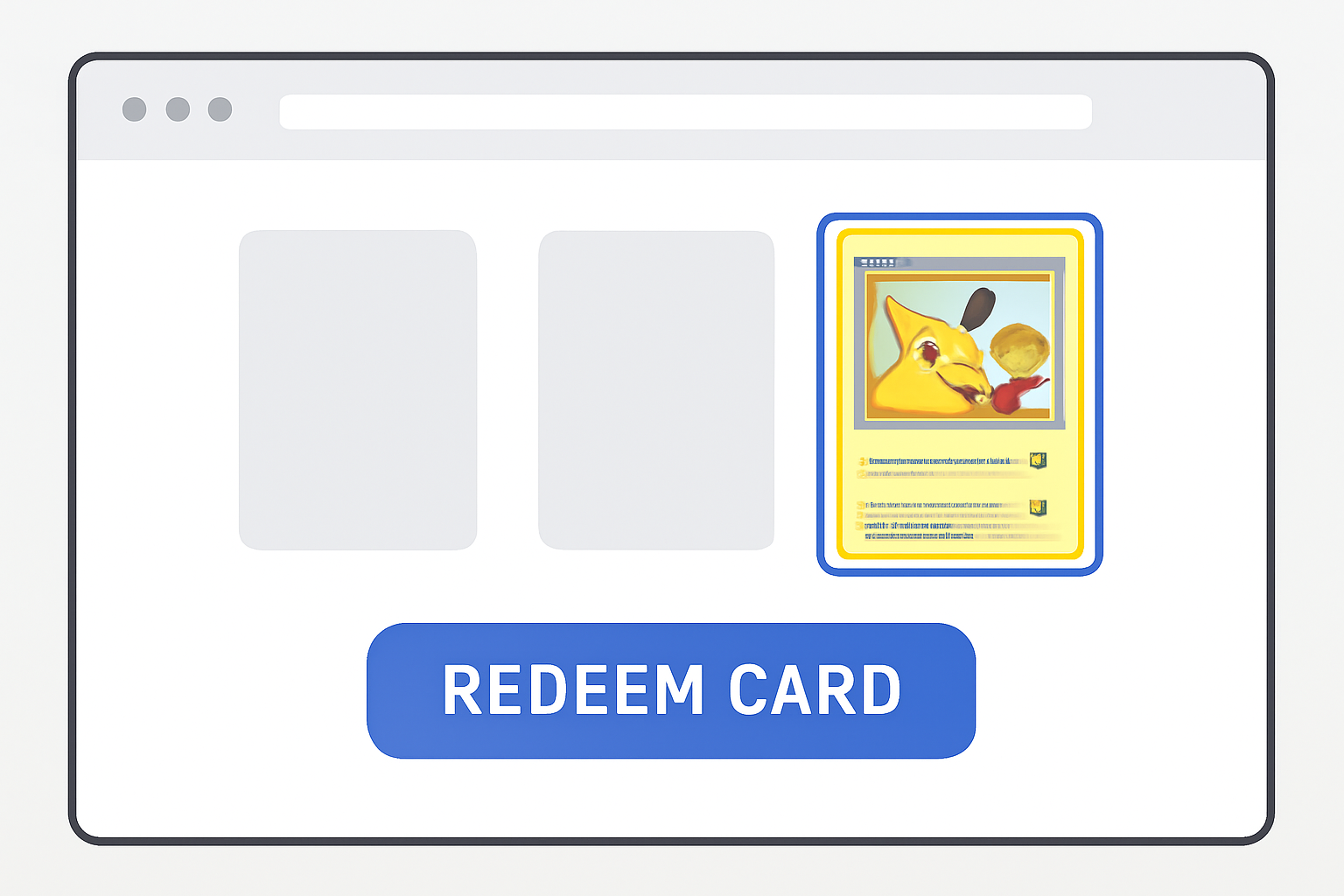
Once you’ve pinpointed your platform, log into your account and connect your digital wallet containing the relevant NFT. Navigate to the dedicated redemption section, typically labeled as “Redeem, ” “Claim Physical Card, ” or similar, and select the specific NFT representing your desired card.
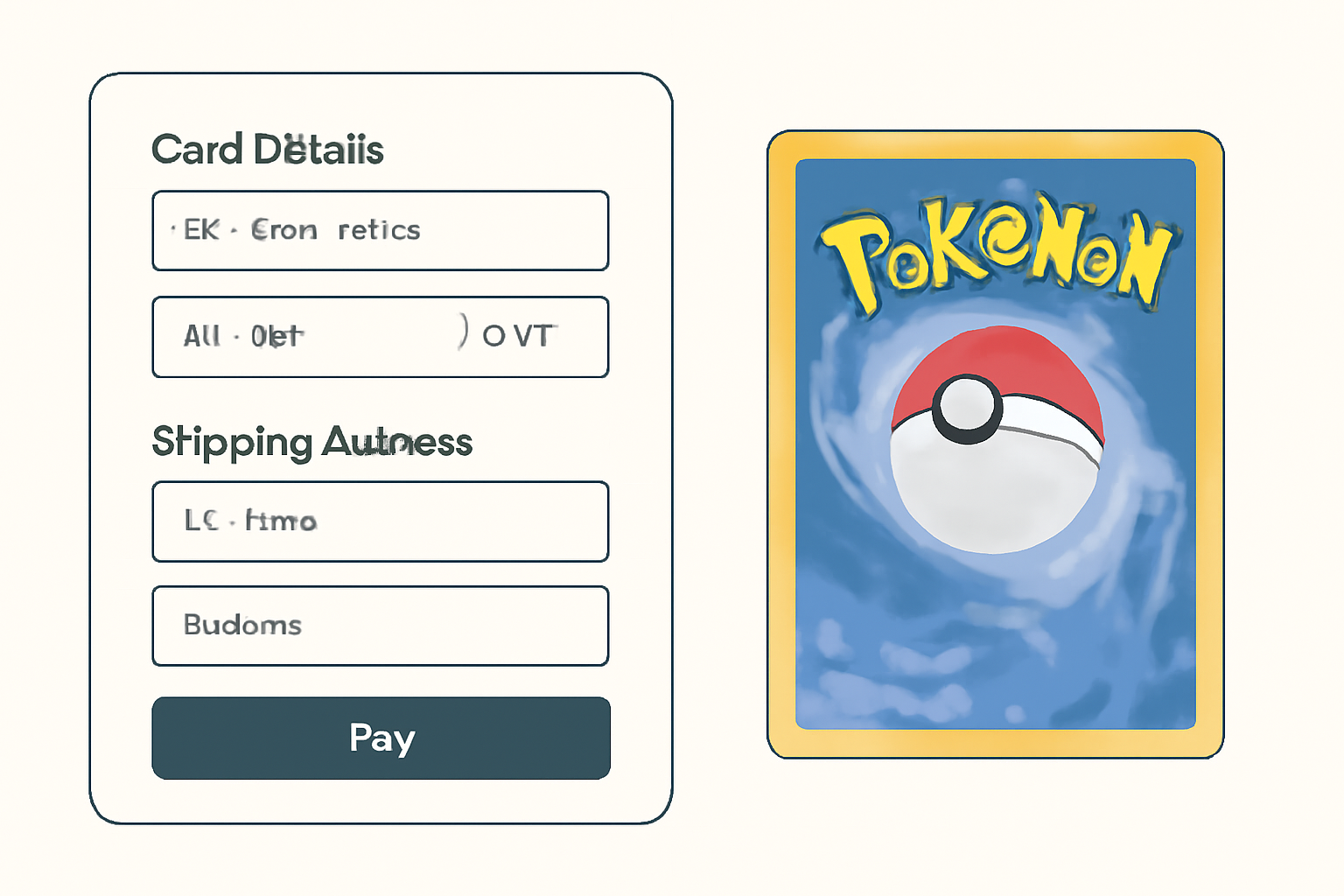
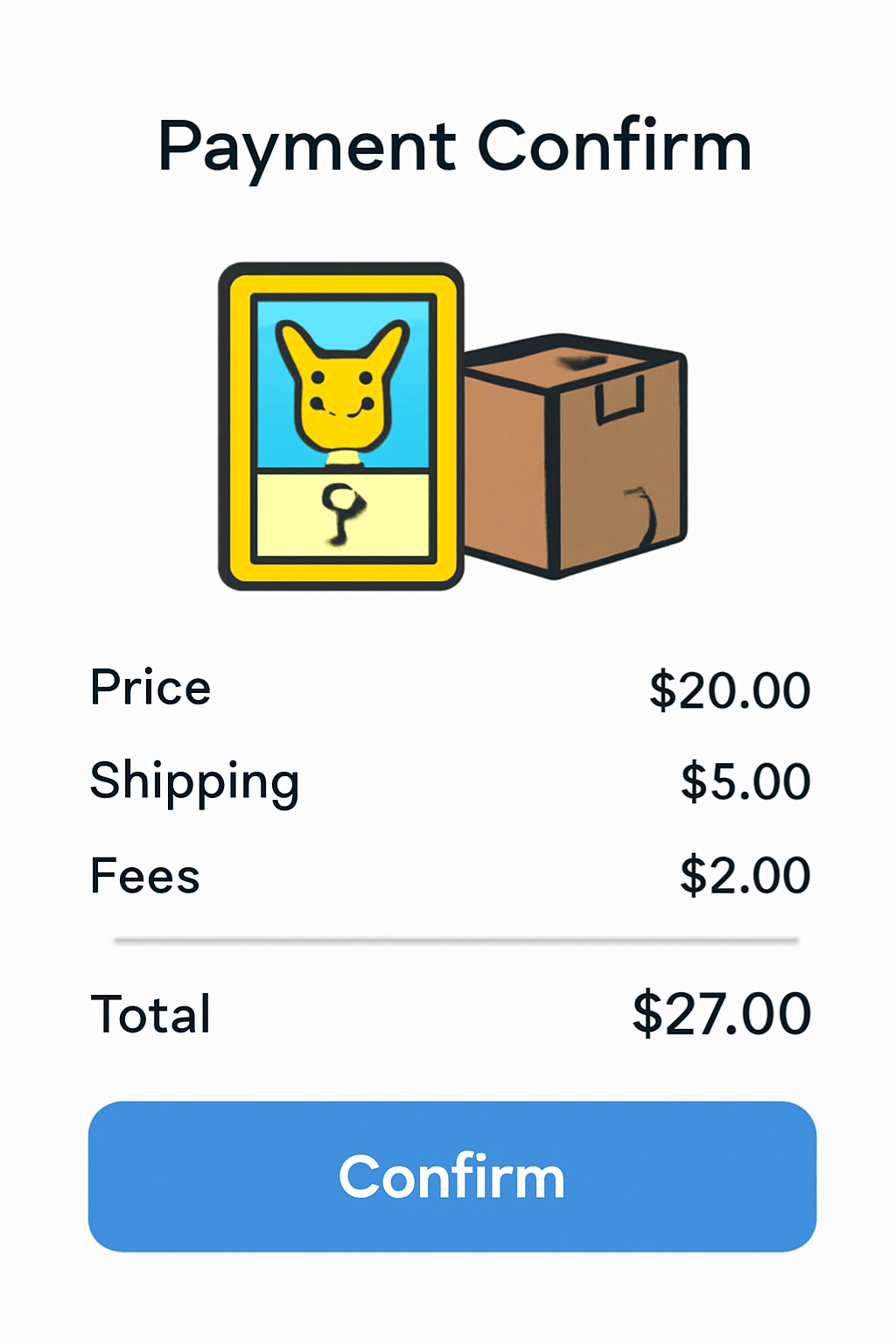
Review all details carefully before confirming your request. Double-check shipping information and make sure you’re aware of any associated fees, redemption often comes with handling costs (e. g. , $25 per card at Courtyard) plus shipping charges depending on destination.
Some platforms require you to burn (permanently destroy) your NFT as part of the process; this ensures that only one version, the physical or digital, exists at any time. After confirmation, simply wait for delivery tracking from the vault to your door. Security tip: always use official platform websites when connecting wallets or entering personal info.
Redemption is not just about clicking a button, it’s about understanding the security, transparency, and finality of the process. When you burn your NFT to claim the physical card, you’re signaling to the platform that you want your tangible asset released from vault custody. This is a one-way street: once the NFT is burned, the digital proof of ownership no longer exists on-chain, and your card begins its journey back to you.
What Happens After You Redeem?
After submitting your redemption request and burning your NFT (if required), most platforms will send a confirmation email detailing next steps. Expect communication regarding:
- Shipping timelines: Delivery can range from a few days to several weeks depending on location and platform logistics.
- Tracking information: Reputable platforms like Courtyard provide detailed tracking so you can monitor your card’s movement from vault to doorstep.
- Customer support: If issues arise (such as address changes or delivery delays), responsive support teams are key. Always keep records of all correspondence until your card arrives safely.
If you redeemed through Based Cards, for example, check your email for a redemption summary and visit their dedicated portal at redeem. basedcards. com to finalize shipment details (Based Cards). For Collector Crypt users, burning the NFT on Solana triggers their vault release protocol (Collector Crypt).
Managing Fees and Security During Redemption
Redemption isn’t free: platforms typically charge a handling fee (e. g. , $25 per card at Courtyard) plus shipping costs that vary by destination. These fees help cover secure storage, insurance, and logistics for high-value collectibles. Make sure to review all charges before confirming redemption, surprise fees can sour an otherwise exciting experience.
Your security is paramount. Only connect wallets on official sites and double-check URLs before entering sensitive information. Scammers sometimes mimic popular platforms with lookalike websites; vigilance goes a long way in protecting both your digital assets and personal data.
Why Redeem? Strategic Reasons for Claiming Your Physical Card
The decision to redeem isn’t always driven by nostalgia or display value, sometimes it’s strategic. Physical cards may be needed for grading services, in-person events, or private sales outside the blockchain ecosystem. Additionally, market conditions might make holding the physical asset more appealing if demand for certain cards surges offline.
What is your main reason for redeeming tokenized Pokémon cards for physical cards?
Tokenized Pokémon cards let you trade and collect digitally, but you can also redeem them for the real, physical cards. We’re curious—what motivates you to make the switch from digital back to physical?
On the flip side, some collectors prefer keeping assets vaulted as NFTs for liquidity or portfolio management purposes. The beauty of tokenized trading cards lies in this flexibility, you control when (and if) digital becomes physical again.
The Future of Trading Card RWA Redemption
The process of redeeming tokenized Pokémon cards continues to evolve as blockchain adoption grows within collectibles markets. New features like instant KYC verification, real-time shipment tracking, and enhanced insurance options are making redemption safer and more accessible than ever before.
If you’re ready to bridge digital ownership with tangible collecting, whether it’s flexing that rare Charizard at a tournament or simply enjoying your favorite card up close, understanding how to redeem tokenized Pokémon cards puts you ahead of the curve in this new era of collecting.
About the Author