
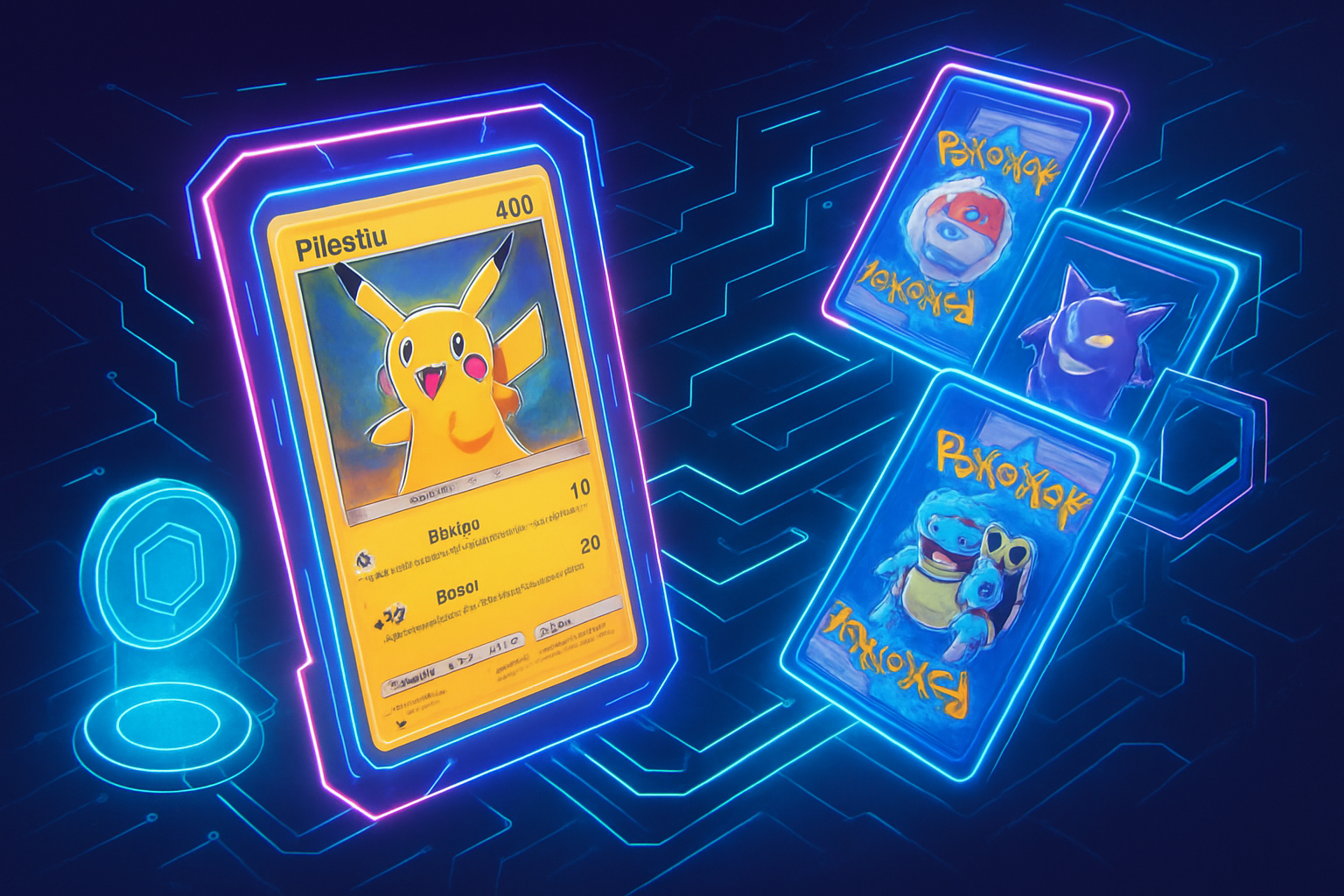
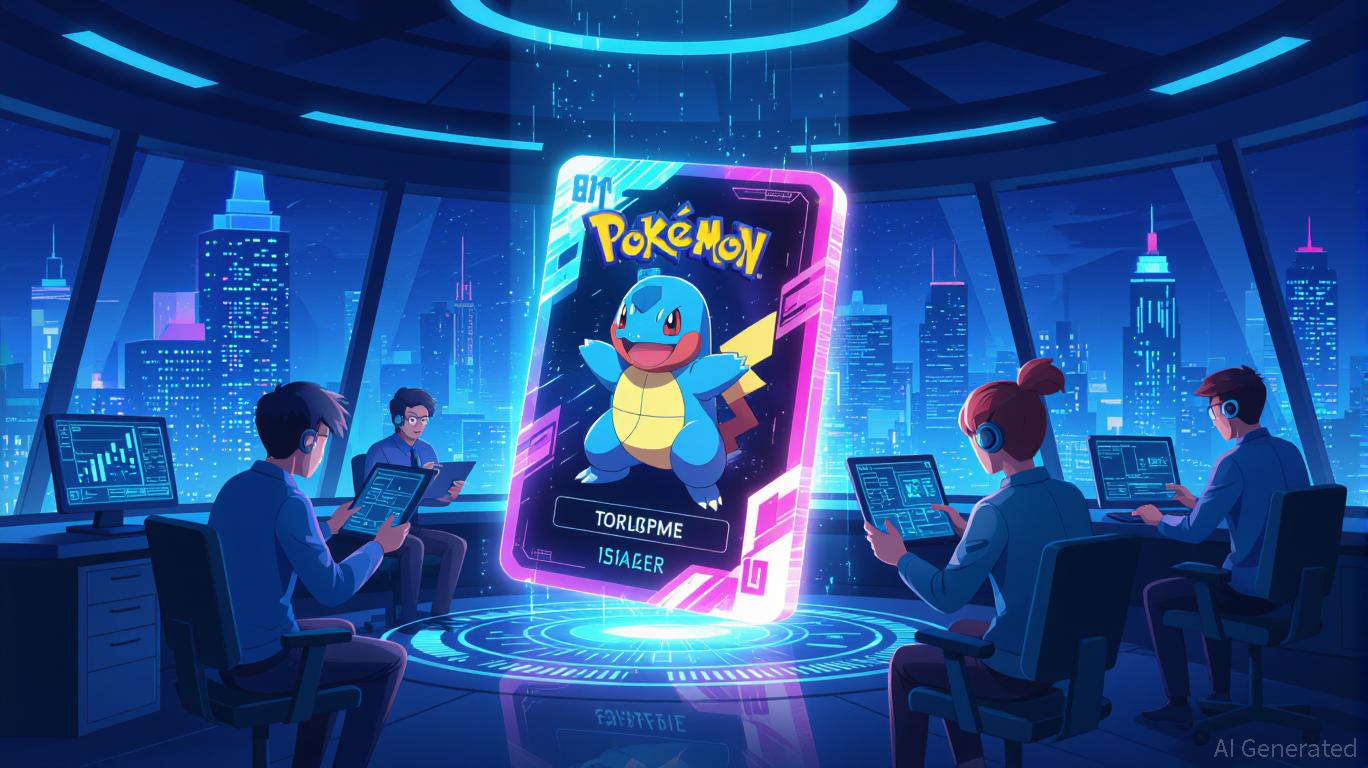
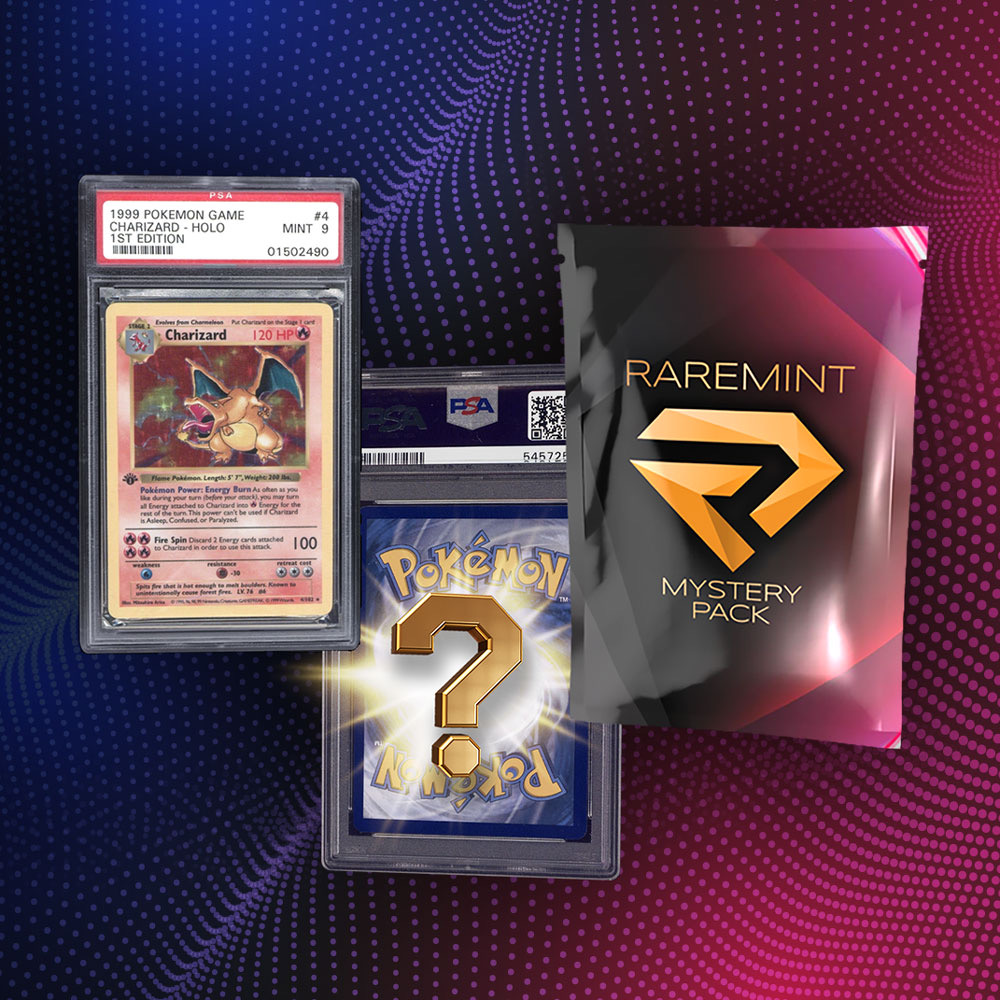
Imagine holding a rare Charizard in your hand, then instantly trading it across the globe without ever shipping the card. That’s the magic of tokenizing Pokémon cards as Real-World Assets (RWAs) on the blockchain. By transforming physical cards into secure, verifiable digital tokens, collectors and investors unlock liquidity, transparency, and global reach that traditional trading just can’t match.
Why Tokenize Pokémon Cards? Unlocking New Possibilities
Tokenization isn’t just a tech buzzword - it’s reshaping how we own and exchange collectibles. When you tokenize Pokémon cards, you’re converting ownership rights of a real card into a blockchain-based NFT. This NFT acts as a digital certificate of authenticity, backed by secure storage and verifiable provenance. The result? You can buy, sell, or even fractionally own high-value cards with ease, all while sidestepping the risks of counterfeiting or loss.
The market for RWA trading cards has exploded recently as platforms like Courtyard and Collector Crypt lead the charge in bridging physical assets with crypto innovation (CoinGecko). Projects mint NFTs that are 100% backed by real Pokémon cards stored in secure vaults - so every digital trade reflects an actual asset changing hands.
Step-by-Step: How to NFT Your Physical Cards
If you’re wondering how to NFT physical cards, here’s the practical breakdown:
Key Steps to Tokenize Your Pokémon Card as an RWA
- Understand Asset Tokenization: Learn how converting your physical Pokémon card into a digital token on a blockchain increases liquidity and accessibility. Read more
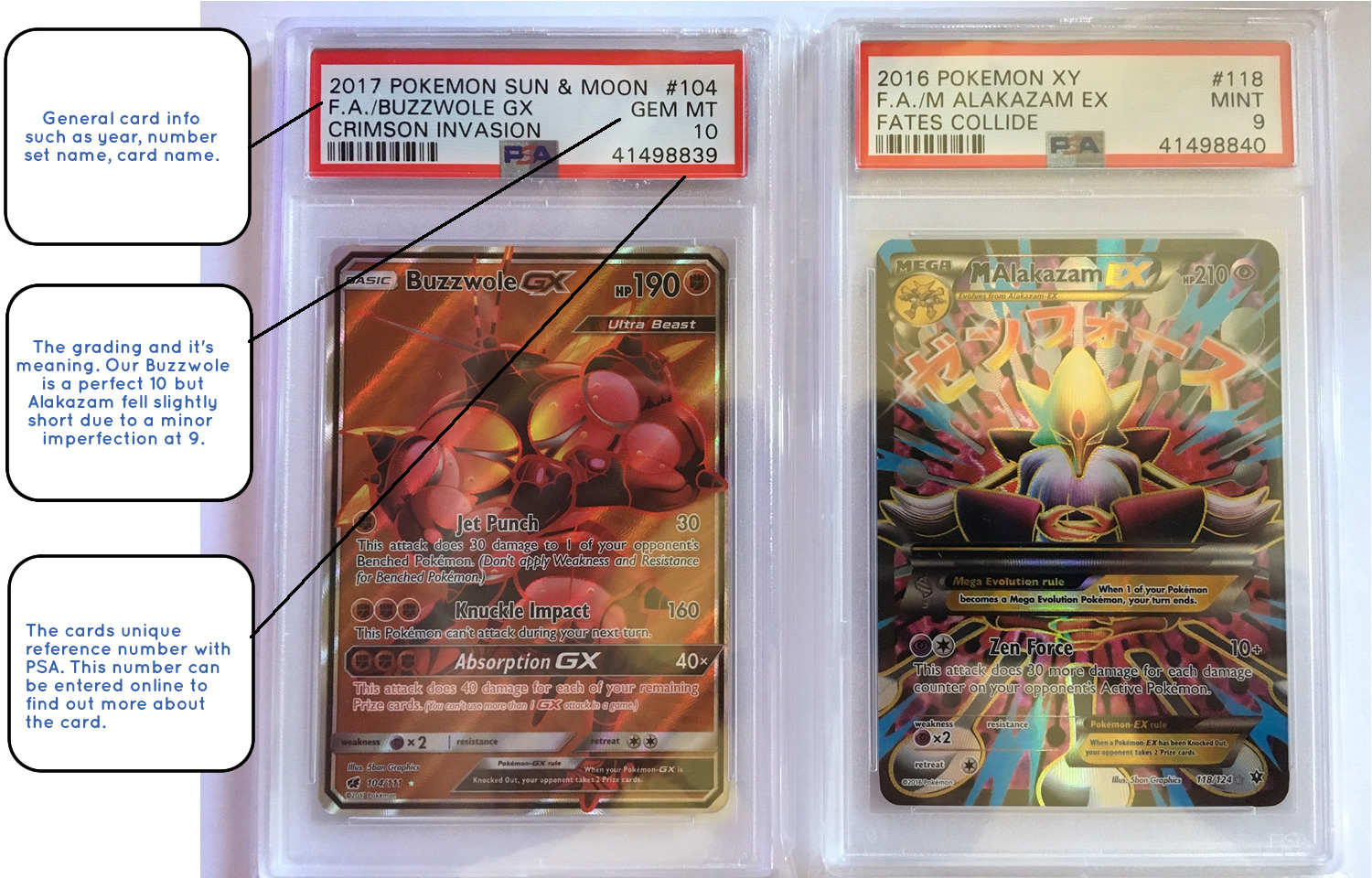
- Evaluate Value and Authenticity: Get your card professionally appraised and authenticated by reputable grading services like PSA or Beckett to establish its true market value and legitimacy.
- Choose a Tokenization Platform: Select a trusted platform that supports physical asset tokenization, such as Courtyard or Collector Crypt, both known for tokenizing collectibles like Pokémon cards.
- Establish Legal Framework and Compliance: Ensure your tokenization process is legally sound by defining ownership rights and adhering to local regulations. Consult legal resources or professionals familiar with digital assets.
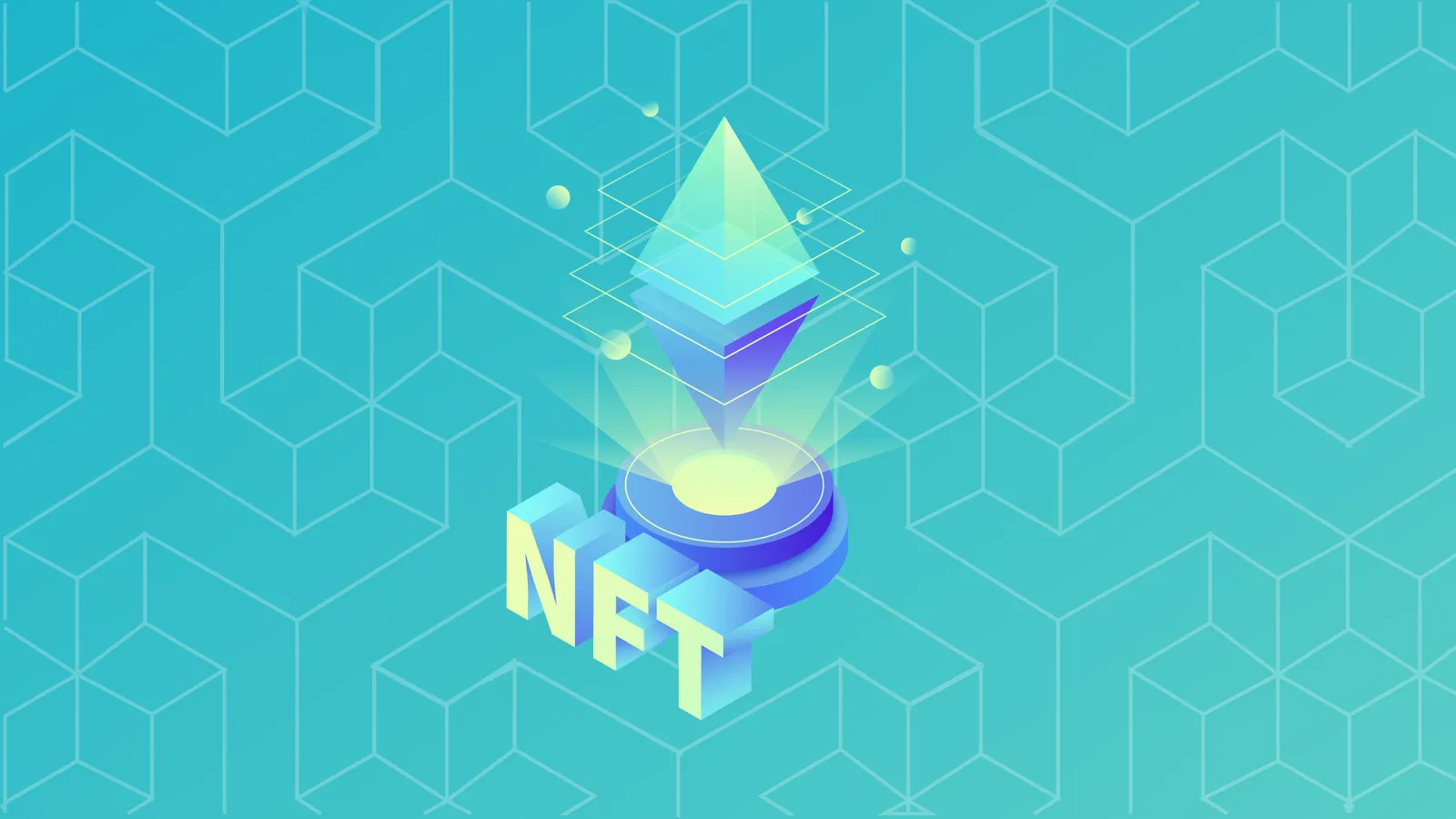
- Digitize and Tokenize Your Pokémon Card: Create high-resolution images and detailed metadata (edition, condition, unique identifiers), then mint an NFT using a standard like ERC-721 on Ethereum.
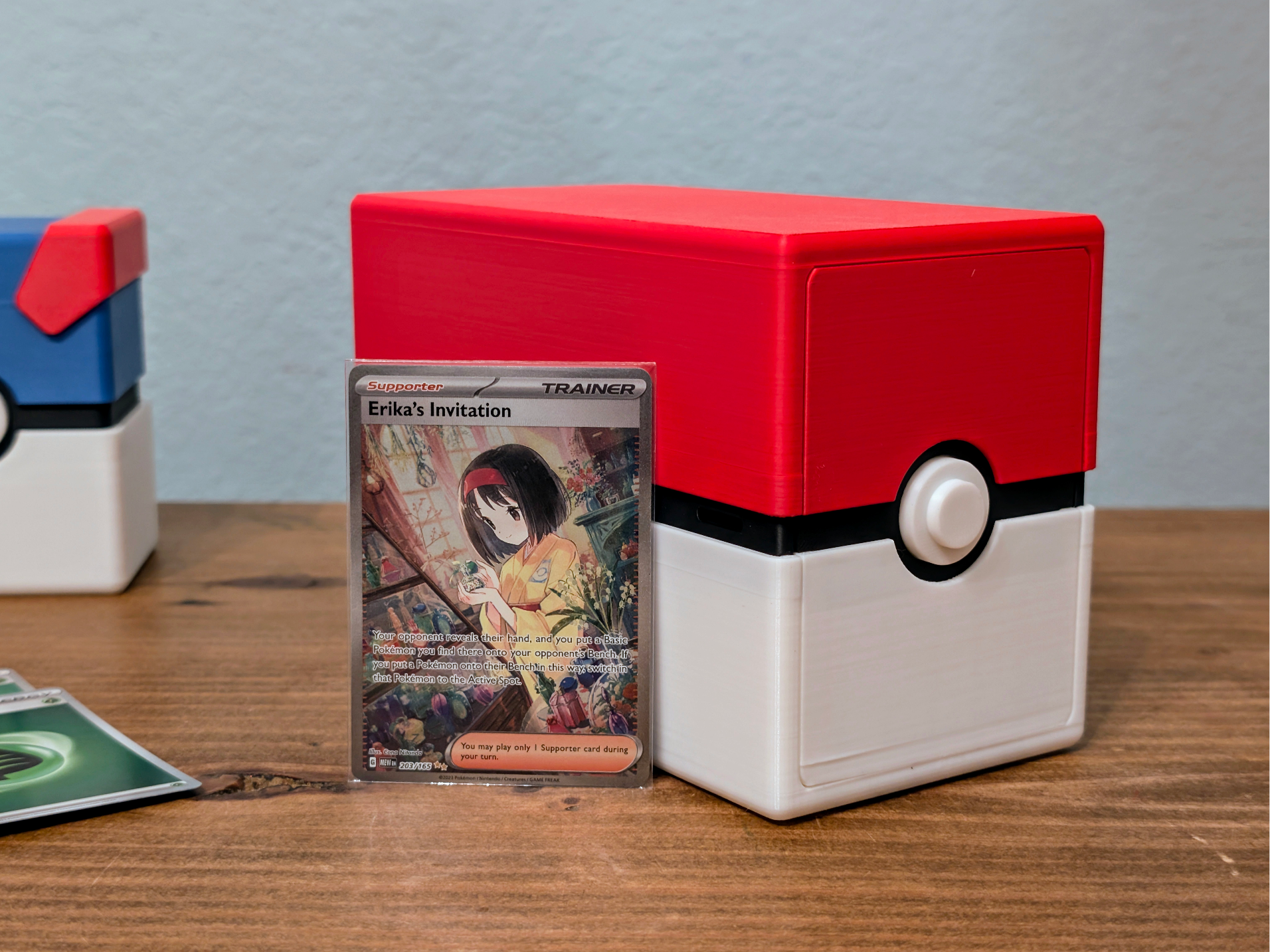
- Secure Custody and Verification: Store your physical card with a reputable custodian (e.g., Brinks or a certified vault partner) and implement regular verification and audits to maintain trust.
- Distribute and Trade Tokens: List your tokenized card on established NFT marketplaces such as OpenSea or on the platform where you minted the NFT, enabling trading and potentially fractional ownership.
- Maintain Transparency and Communication: Provide regular updates to token holders about the card’s condition, storage location, and ownership status, ensuring transparency throughout the process.
1. Assess Value and Authenticity: Start by getting your card appraised and authenticated through top grading services. This sets the foundation for trust once you go digital.
2. Choose Your Tokenization Platform: Not all blockchains are created equal! Ethereum is popular thanks to its ERC-721 standard for NFTs (read more about ERC-721). But specialized platforms like Tokenyze or tcgonchain. com are optimized for collectible RWAs and offer user-friendly onboarding.
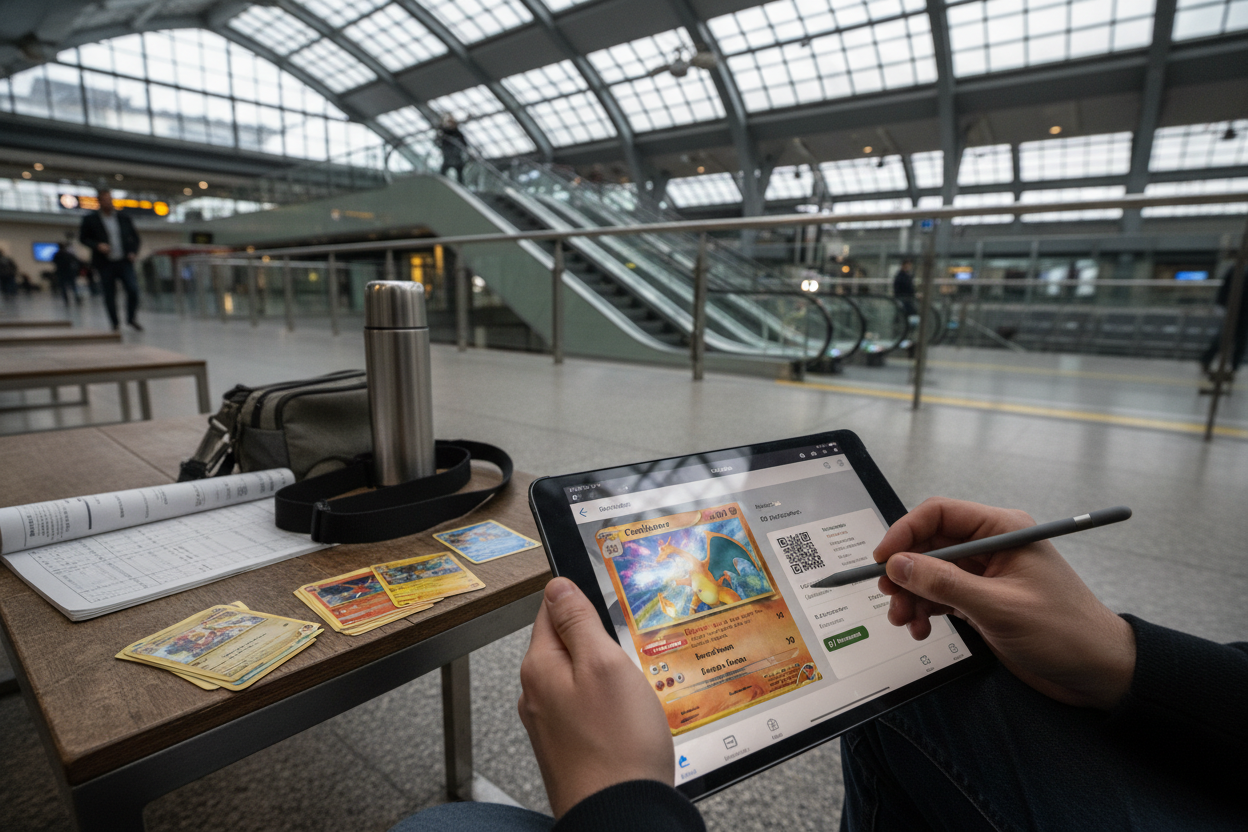
3. Secure Custody and Verification: For serious collectors, custody is everything. Either store your cards yourself (not recommended for high-value assets) or use trusted third-party vaulting services. Make sure each card’s grade, images, and serials are meticulously recorded - this data will be linked to your NFT.
The Minting Process: From Cardboard to Blockchain
This is where things get technical but also exciting! Once your card is verified and safely stored, the platform will create an NFT that represents it on-chain. Here’s what happens under the hood:
- Digital Imaging: High-res scans or photographs document every detail of your card.
- Metadata Creation: Information like set name, condition, unique identifiers (serial numbers), and provenance history are added as metadata to your NFT.
- NFT Minting: Using smart contracts (often on Ethereum), an ERC-721 token is minted that permanently links this metadata with a specific wallet address (learn more here).
- Securitized Storage: The physical card remains locked in a trusted vault - think Fort Knox for collectibles!
This process ensures that every pokemon card NFT is backed one-to-one by its real-world counterpart - no smoke and mirrors here!
Navigating Legalities and Compliance in RWA Trading Cards
The legal side isn’t glamorous but it’s crucial. Platforms must spell out exactly what rights each token confers - does owning the NFT mean you can redeem it for the physical card? Are there restrictions based on geography or regulation? Reputable providers draft clear contracts covering transfer procedures and compliance with local laws (see ChainUp's step-by-step guide). As regulatory frameworks evolve globally, staying informed protects both buyers and sellers from nasty surprises down the road.
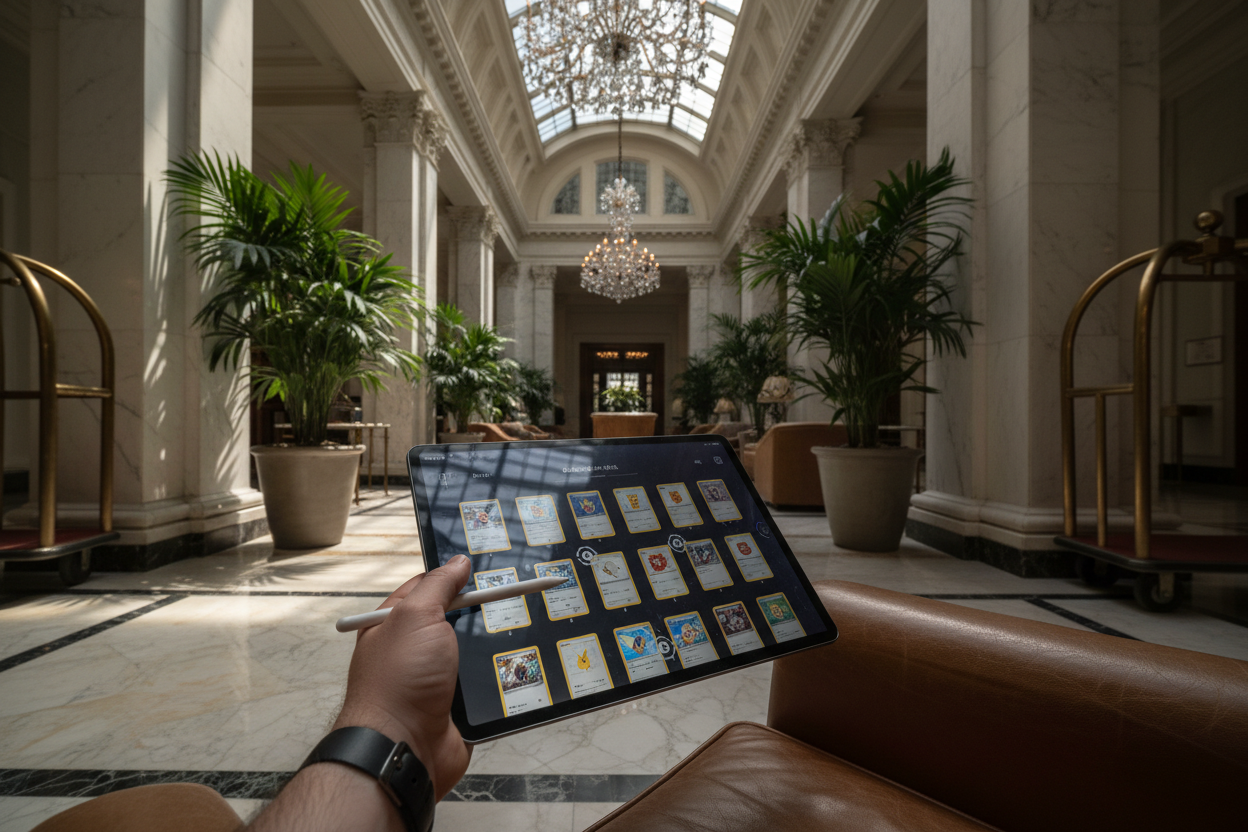
Once you’ve minted your Pokémon card NFT and ensured airtight legal clarity, the real fun begins: trading and unlocking new value from your collection. Tokenized cards can be listed on NFT marketplaces, such as tcgonchain. com or other RWA-focused platforms, where global collectors and investors are eager to participate. This opens up 24/7 liquidity, no more waiting for physical meetups or shipping logistics. You can sell instantly, buy rare cards from across continents, or even access fractional ownership if a card is too pricey to go solo on.
Pro tip: Many platforms now offer built-in price discovery tools and transparent transaction histories, making it easy to track market trends for your tokenized assets. This data-driven approach gives you an edge in timing trades or identifying rising stars in the Pokémon universe.
Beyond Trading: What Else Can You Do With Tokenized Cards?
The innovation doesn’t stop at simple buying and selling. By turning your collection into pokemon card NFTs, you unlock a suite of new possibilities:
- Fractional Ownership: Own part of a high-value card with others, perfect for legendary cards out of most budgets.
- Lending and Collateral: Some DeFi protocols now accept RWAs as collateral for crypto loans, letting you put idle collectibles to work.
- Showcase and Social: Display your digital trophy case online or compete in virtual collector leagues, your on-chain assets prove authenticity.
- Instant Redemption: Depending on platform rules, you can redeem the NFT for physical delivery if you ever want the cardboard in hand again.
This evolving ecosystem is why many see RWA trading cards as the next frontier for both crypto and collectibles. It’s not just about speculation, it’s about community, provenance, and programmable ownership.
Transparency and Trust: The Heart of Successful Tokenization
If you’re serious about maximizing value and trust in this new world of digital collectibles, transparency is key. Choose tokenization providers with robust audit trails, regular updates about vault holdings, third-party verifications, and clear communication channels with token holders are non-negotiable. On tcgonchain. com and similar platforms, every transaction is immutably recorded on-chain so buyers know exactly what they’re getting.
The best projects even offer periodic video walkthroughs of their vaults or publish audit reports so collectors can rest easy knowing their assets are safe and accounted for.
Staying Ahead: Regulation and Future-Proofing Your Collection
The regulatory landscape around tokenized assets is evolving rapidly. Stay plugged into updates from authorities like ESMA to avoid compliance pitfalls. Smart collectors keep documentation organized (appraisals, grading certificates) and monitor platform terms for any changes that could affect redemption rights or tax obligations.
The bottom line? Tokenizing Pokémon cards isn’t just a tech trend, it’s a seismic shift in how we define ownership and value in the modern era. Whether you’re looking to trade more efficiently, invest globally, or simply show off your prized Charizard with blockchain-backed bragging rights, now’s the time to explore this digital frontier.

No comments yet. Be the first to share your thoughts!